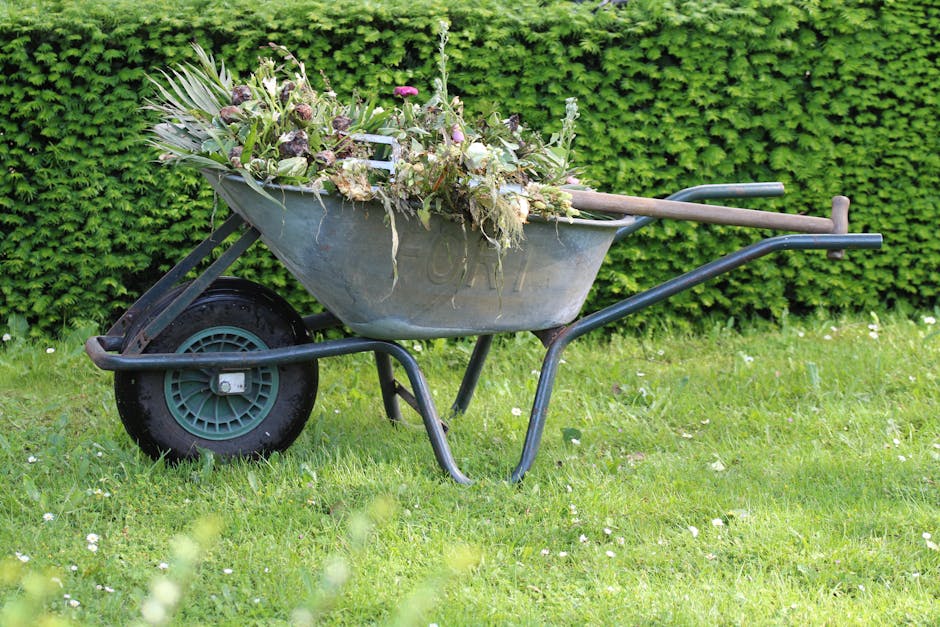
Low cost garden clearance and recycling in Twickenham TW1

If your garden in Twickenham TW1 has reached that slightly overwhelming stage, you are not alone. One windy weekend, a few pruned branches, a broken planter, and suddenly the whole space can feel more like a holding area for garden waste than a place to relax. Low cost garden clearance and recycling in Twickenham TW1 is about getting that space back without spending more than you need to.
The best clearance service is not just a van and a pair of gloves. It should be organised, careful, and sensible about what gets reused, recycled, or removed. That matters locally too, because in a dense London area like Twickenham, space is tight, access can be awkward, and the difference between a rushed job and a tidy one is usually obvious. In this guide, you will find a practical breakdown of how garden clearance works, what drives cost, how recycling should be handled, and how to make a good decision without second-guessing yourself later.
As a local homeowner, landlord, or property manager, you probably want two things: a clear garden and a fair price. Fair enough. Let's work through both, properly.
- Why it matters
- How it works
- Key benefits
- Who it is for
- Step-by-step guidance
- Expert tips
- Common mistakes to avoid
- Tools, resources and recommendations
- Law, compliance and best practice
- Options and comparison
- Real-world example
- Practical checklist
- Conclusion
- Frequently asked questions
Why Low cost garden clearance and recycling in Twickenham TW1 Matters
Garden clearance sounds simple until you start moving the pile. Then you notice how quickly waste adds up: hedge cuttings, turf offcuts, old compost bags, loose timber, cracked pots, a bit of decking offcut here, a broken trellis there. In Twickenham TW1, where many gardens are compact and access may involve side gates, narrow paths, or rear entrances, that waste can build up fast and become difficult to manage on your own.
Cost matters, of course. But the "low cost" part should not mean "cut corners." A proper clearance keeps labour efficient, avoids unnecessary trips, and directs as much material as possible into recycling streams rather than landfill. That is the sweet spot: lower waste costs, less mess, and a better result for your garden.
It also matters for the feel of the place. A cleared garden tends to feel brighter, larger, and calmer almost immediately. You notice the smell of damp soil again. You hear birds, not just the scrape of a wheelie bin lid. Small thing, but genuinely nice.
For many people, the real issue is time. Weekend jobs tend to turn into month-long jobs. If you are already juggling work, school runs, tenants, or just life in general, outsourcing the heavy lifting can be the difference between "we should sort that" and actually getting it done.
Expert summary: If you want affordable garden clearance in TW1, look for a service that removes waste efficiently, separates recyclable material, and explains what is included before work begins. Cheap is fine. Vague is not.
How Low cost garden clearance and recycling in Twickenham TW1 Works
The process is usually more straightforward than people expect, provided the site is assessed properly first. In most cases, a provider will look at the type and volume of waste, the access to the garden, whether there are bulky items, and how much of the material can be reused or recycled.
For example, light green waste from mowing or hedge trimming can often be handled quickly, while mixed loads with soil, broken fencing, timber, and old garden furniture take more sorting. That sorting is what keeps recycling rates sensible and avoids paying for everything as mixed rubbish.
A good service often works in stages:
- Initial assessment - the volume, access, and waste types are checked.
- Sorting - green waste, wood, metal, soil, and general rubbish are separated where possible.
- Loading and removal - waste is removed in a way that protects paths, paving, and surrounding planting.
- Recycling and disposal - suitable materials are routed to recycling or composting processes.
- Final tidy-up - loose debris is cleared so the garden is left presentable.
For larger projects, garden clearance may overlap with related work. If you are also tidying hedges, cutting back overgrowth, or reshaping a neglected corner, it can make sense to combine it with hedge trimming, tree lopping and removal, or even broader garden maintenance. That can reduce duplicated labour and, in many cases, keep the overall cost a bit more sensible.
One practical note: access changes everything. A front-drive clearance is often quicker than carrying sacks through a terrace house and down steps. Not impossible, just slower. Slower means more labour time, and labour time is usually where the cost moves.
Key Benefits and Practical Advantages
Low-cost clearance is attractive because it solves more than one problem at once. It is not only about getting rid of waste. It is also about making the space easier to use and easier to maintain afterwards.
- Better value than multiple small trips - one organised clearance often works out more efficiently than repeated DIY tip runs.
- More recycling, less waste - sorting green waste and reusable materials can reduce the amount going to disposal.
- A safer garden - clearing broken branches, slippery piles, and hidden debris reduces trip hazards.
- Immediate visual improvement - a cleared plot looks bigger, cleaner, and easier to plan.
- Less stress - you do not have to rent equipment, lift heavy bags, or spend your Saturday wrestling brambles.
There is also a planning advantage. Once the clutter is gone, you can see what the garden actually needs. Maybe it only needs mowing and border tidying. Maybe there is a bigger issue with shade, drainage, or a stubborn hedge line. Sometimes the clarity comes only after the clutter leaves. Funny how that works.
If your next step after clearance is a redesign or a more structured outdoor refresh, it can help to look at landscape gardening or broader landscaping options. Clearing first, then planning, is usually cleaner than trying to do both at once.
Who This Is For and When It Makes Sense
This service suits a lot of different people, and the trigger is not always a dramatic "garden rescue" moment. Sometimes it is simply a practical decision because the waste has become too much to handle properly.
- Homeowners dealing with overgrown beds, seasonal cuttings, or an untidy garden after winter.
- Landlords preparing a property between tenancies.
- Letting agents who need a fast turnaround before photography or viewings.
- Older residents who want the garden cleared safely without heavy lifting.
- Busy families who do not have time for repeated trips to dispose of waste.
- People starting a project who need the site stripped back before new planting, turfing, or decking.
It makes sense when waste is bulky, access is awkward, or the volume is bigger than what you can comfortably move yourself. It also makes sense when you know the pile will sit there for weeks if you do not book someone. Truth be told, most people are better at imagining the job than actually doing it.
A cleared garden can also support other services. If the space has become heavily shaded or unsafe because of overhanging branches, a tidy-up may need to include tree lopping and removal. If the lawn is simply tired and overgrown, a follow-up from lawn mowing can make a huge difference once the waste is gone.
Step-by-Step Guidance
If you want the process to stay affordable, organisation matters. A little preparation can save money and make the job smoother for everyone involved.
- Walk the garden first - identify what is being removed and what should stay. It sounds obvious, but people sometimes forget hidden items near fences or behind sheds.
- Separate obvious waste - put green waste, wood, and general rubbish into rough groups if practical. This helps with recycling and speed.
- Clear access routes - move bikes, bins, and garden furniture out of the way so tools and bags can pass safely.
- Flag any awkward items - old sleepers, heavy planters, broken slabs, or tangled roots should be mentioned in advance.
- Ask what is included - does the price include loading, sweeping, and recycling? Or only collection?
- Check timing - if the weather is damp, piles can be heavier and messier. Morning jobs are often cleaner and a bit easier.
- Review the finish - once the clearance is done, inspect paths, borders, and corners where debris can hide.
One small but useful detail: if you are also having routine work done, such as regular cutting or pruning, it can be efficient to align the visit with garden maintenance. That way the clearance does not become a one-off tidy that quickly slides back into chaos.
If the garden includes hard surfaces, a deck, or a structure that has collected debris over time, you may also want to think about follow-up repairs or cleaning. In some cases, even a modest refresh around a decked area can make the whole space feel intentional again.
Expert Tips for Better Results
Here is where small decisions save you real hassle.
- Book before peak tidy-up periods if you can. Early spring and post-storm periods get busy, and rushed bookings are rarely the cheapest.
- Be precise about the waste. "A bit of garden rubbish" is less useful than "mostly hedge cuttings with some timber and a few bags of soil."
- Keep recyclable materials separate where practical. Clean green waste, untreated wood, and metal are often easier to process than mixed piles.
- Don't bury problem waste in the pile. Old paint tins, rubble, or sharp items can complicate the job and may need different handling.
- Think in phases. If the garden is very overgrown, a first clearance may be enough to regain access, followed by more detailed work later.
A seasoned team will also think about the job in terms of load efficiency. One compact, well-sorted load is almost always better than two messy ones. That is one of those unglamorous bits of trade knowledge that saves time and, in turn, keeps the price more manageable.
Another practical tip: if your garden has timber features, old edging, or leftover construction materials from previous work, mention them upfront. A clearance that includes bits from old landscaping is often more involved than a standard green-waste tidy. If needed, services like decking services can be relevant afterwards when the space is ready for improvement rather than just clearing.
Common Mistakes to Avoid
Most bad experiences with garden clearance are not dramatic. They are small avoidable mistakes that add cost or frustration later.
- Not checking access first - a narrow side return or locked rear gate can slow everything down.
- Mixing all waste together - once recyclable waste is contaminated, processing becomes less efficient.
- Assuming everything is "garden waste" - rubble, soil, and household rubbish are not always treated the same way.
- Ignoring hidden waste - undergrowth can conceal broken glass, rusted wire, or sharp offcuts.
- Choosing on price alone - the cheapest quote is not always the best value if it leaves you with unfinished work or surprise extras.
- Skipping the final tidy - a good clearance should leave the space neat, not just empty.
Let's face it, nobody wants to pay for a clearance and then spend the next hour sweeping tiny branches from the patio. That part should be handled properly. Ask about it.
A good rule of thumb is this: if a quote feels unusually vague, it probably is. Clear scope, clear disposal method, clear expectation. That is the good stuff.
Tools, Resources and Recommendations
You do not need a garage full of equipment to make the process easier, but a few basics help if you are preparing the garden yourself before the team arrives.
- Garden sacks or heavy-duty bags for loose leaves and smaller cuttings.
- Rake and broom to gather debris from lawns, borders, and hard surfaces.
- Pruning shears or loppers for manageable branches and stems.
- Wheelbarrow if you are shifting waste to a collection point.
- Work gloves to protect hands from thorny or sharp material.
- Tarpaulin to keep sorted waste dry and easier to move.
On the service side, it helps to work with a provider who is transparent about disposal, recycling, and pricing. If sustainability matters to you, explore the company's approach to recycling and sustainability and ask how green waste is handled. That conversation is usually short, but useful.
For broader context around services and how different tasks fit together, the services overview can help you understand whether your project is a straightforward clearance, part of routine maintenance, or something more involved. And if cost planning is your main concern, the pricing and quotes page is a sensible place to start.
Law, Compliance, Standards, or Best Practice
For garden clearance in the UK, the most important point is simple: waste must be handled responsibly. In practice, that means a provider should not just tip everything into one mixed load and hope for the best. Reuse, recycling, and proper disposal matter, especially where garden waste can be separated cleanly.
There are also practical safety expectations. Clearing overgrown gardens often involves lifting, cutting, handling sharp edges, and working around trip hazards. A professional approach should include sensible precautions, proper manual handling, and attention to secure access. If a job feels risky, it should be treated carefully rather than rushed. That is just common sense, really.
For you as the customer, the key best-practice questions are straightforward:
- Is the waste being sorted where possible?
- Is the quote clear about what is included?
- Will the area be left tidy after collection?
- Are there any items that need special handling?
It is also sensible to choose a provider with clear policies around safety, security, and customer expectations. Relevant pages such as health and safety policy, insurance and safety, and terms and conditions can help you understand the standards behind the service. A bit dry, maybe, but worth checking.
When information matters, trust the business that is willing to explain things plainly. That usually tells you more than glossy wording ever will.
Options, Methods, or Comparison Table
There are usually a few ways to handle garden clearance. The right choice depends on how much waste you have, how quickly you need the space cleared, and whether recycling is a priority.
| Method | Best for | Pros | Trade-offs |
|---|---|---|---|
| DIY clearance | Small, light loads | Low direct spend, flexible timing | Time-consuming, physically demanding, multiple trips |
| One-off professional clearance | Medium to large clear-outs | Fast, organised, less lifting for you | Higher upfront cost than DIY |
| Clearance plus maintenance | Overgrown or neglected gardens | Better long-term result, less repeat mess | Requires more planning |
| Clearance plus landscaping follow-up | Gardens being redesigned | Efficient transition from mess to project-ready space | Most suitable when a bigger change is planned |
If your budget is tight, DIY can work for light waste. But once the pile includes heavy bags, tangled roots, wet clippings, or access headaches, professional clearance often becomes the better value. Not always cheaper on paper, maybe. Sometimes cheaper in everything else.
For some properties, the smartest approach is to clear first, then assess whether you need any additional work such as lawn recovery, planting, or shaping. That avoids paying for changes before you know what the space actually needs.
Case Study or Real-World Example
Here's a realistic example. A small Twickenham rear garden has become cluttered after a wet winter: hedge clippings in bags, a heap of leaves, two broken pots, a stack of old timber edging, and a patch of lawn that has all but disappeared under debris. The owners want the space usable again before guests visit in a couple of weeks.
Instead of trying to do everything in one go, the site is cleared in phases. First, the obvious waste is removed so access improves. Then the mixed materials are separated, with green waste grouped away from timber and heavier items. Finally, the borders are swept and the patio is left clear enough to see the space properly. The garden does not become "finished" in one afternoon, but it becomes workable. That is the point.
After the clearance, the owners can finally judge what needs next attention. In this case, the lawn needs a cut, the hedge line needs trimming back, and one corner of the garden will benefit from new planting rather than more storage. That is why clearance is often the first sensible step, not the final one.
If the garden had been left untouched, it would probably have become one of those jobs that is always "next weekend." We have all been there.
Practical Checklist
Use this quick checklist before booking:
- Have you identified the main waste types?
- Is access to the garden clear?
- Do you know whether there are heavy or awkward items?
- Have you checked if you also need hedge, tree, or lawn work?
- Have you asked what is included in the quoted price?
- Do you want the waste recycled where possible?
- Is the garden being cleared for maintenance, a sale, or a redesign?
- Have you removed personal items and anything you want to keep?
- Do you need a follow-up visit for ongoing care?
- Have you chosen a provider with clear safety and policy information?
A simple checklist like this stops the job from turning into guesswork. And guesswork, in garden clearance, tends to cost more than people expect.
Get a free quote today and see how much you can save.
Conclusion
Low cost garden clearance and recycling in Twickenham TW1 is really about balance. You want the garden cleared efficiently, the waste handled responsibly, and the price kept sensible. Done well, the result is more than a tidier outdoor space. It is a garden that feels usable again, with fewer hazards, less clutter, and a better starting point for whatever comes next.
The smartest approach is usually the practical one: sort what you can, understand what is being removed, check how recycling is handled, and choose a provider who explains the job clearly. That combination protects your budget and gives you a better finish.
If you are ready to move from "I really should sort that garden" to actually seeing the space again, this is the moment to act. A clear garden has a way of lifting the whole mood of the house. Quietly, but noticeably.
Frequently Asked Questions
What does garden clearance usually include?
It typically includes the removal of garden waste such as branches, hedge cuttings, leaves, weeds, old plants, and sometimes light bulky items like broken pots or timber. The exact scope should always be confirmed in advance.
How do I keep garden clearance costs low?
Sort waste where possible, clear access routes, and give an accurate description of the job. The more clearly the work is defined, the easier it is to price efficiently.
Can garden waste be recycled?
Often, yes. Clean green waste, untreated wood, and some metal items can usually be separated for recycling or composting processes. Mixed or contaminated waste is harder to recycle.
Is it cheaper to clear the garden myself?
For very small jobs, DIY can be cheaper in cash terms. But once the waste becomes bulky, heavy, or awkward to move, the time and effort involved can outweigh the saving.
How long does a typical clearance take?
That depends on the size of the garden, the amount of waste, and the access. A small tidy-up may be fairly quick, while an overgrown or neglected garden can take significantly longer.
Do I need to be present during the clearance?
Not always, but it helps if the team needs access, clarification, or a final walkthrough. Some customers prefer to be there at the start and end only.
What if my garden has mixed waste, not just plants?
That is common. Timber, soil, rubble, and general rubbish can often be handled, but they may need to be separated or priced differently because disposal routes vary.
Will the area be swept after the waste is removed?
A proper clearance should leave the area tidy, not just emptied. It is sensible to confirm whether sweeping and final debris removal are included.
Is garden clearance suitable before selling a property?
Yes. A clear garden can make a strong difference to first impressions and can help buyers see the size and potential of the space more easily.
What should I ask before booking?
Ask what is included, how waste will be recycled, whether heavy items are covered, and whether there are any access requirements. A straightforward quote is usually a good sign.
Can clearance be combined with other garden work?
Absolutely. It often makes sense to combine it with hedge trimming, lawn mowing, or broader garden maintenance so the space is left in a better, more usable condition.
How do I know if a quote is good value?
Look beyond the headline price. Good value usually means clear scope, sensible recycling, no hidden extras, and a tidy finish. The cheapest quote is not always the best one.