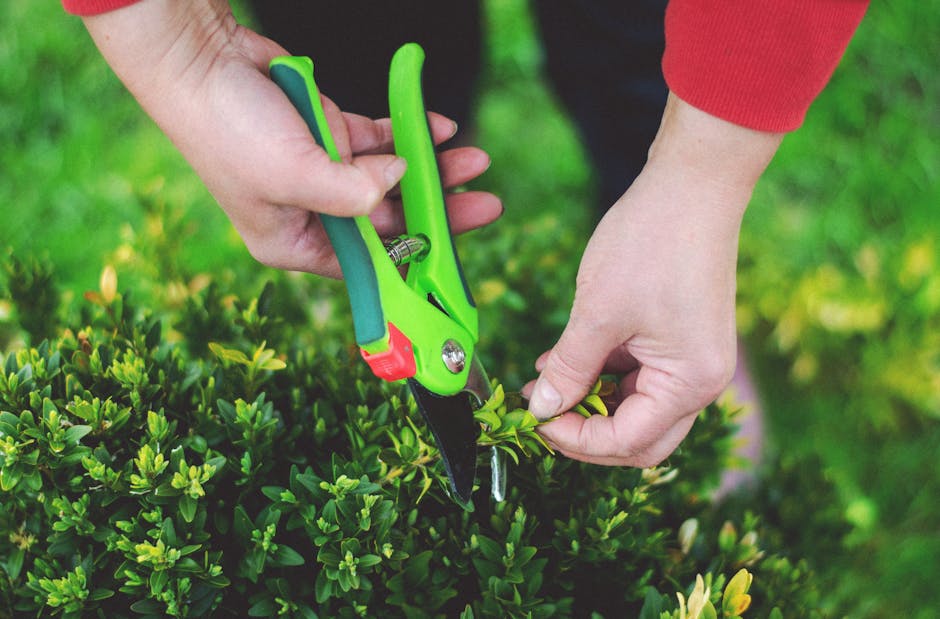
Insider tips to avoid common garden care mistakes Twickenham
If your garden in Twickenham has ever looked fine one week and a bit defeated the next, you are not alone. Garden care seems simple on the surface, yet a few small missteps can lead to patchy lawns, stressed plants, messy borders, and work that has to be repeated sooner than expected. The good news? Most of the common problems are preventable once you know what to watch for. This guide shares Insider tips to avoid common garden care mistakes Twickenham, with practical advice you can actually use, whether you are keeping things tidy yourself or planning help from a local team.
We will cover the mistakes people make most often, why they happen, how to avoid them, and when it makes sense to bring in extra support. A well-kept garden should feel manageable, not like a second job. Let's make it easier.
Table of Contents
- Why this matters in Twickenham
- How good garden care actually works
- Key benefits of avoiding common mistakes
- Who this is for and when it makes sense
- Step-by-step guidance
- Expert tips for better results
- Common mistakes to avoid
- Tools, resources and recommendations
- Law, compliance, standards and best practice
- Options and comparison table
- Case study example
- Practical checklist
- Conclusion
- Frequently asked questions
Why Insider tips to avoid common garden care mistakes Twickenham Matters
Twickenham gardens can be wonderfully varied. You might have a compact town garden with shaded spots, a family lawn that takes plenty of footfall, or a mature outdoor space with hedges, beds, paving, and maybe a decked area that needs regular attention. That variety is exactly why generic advice often falls flat. A one-size-fits-all approach can leave you with overcut grass, tired borders, or plants that never quite thrive.
Garden mistakes matter because they compound. Miss the right mowing height once, and it may not be a disaster. Do it repeatedly, though, and the lawn can thin out. Overwater in the wrong place and roots stay shallow. Cut hedges badly, and you are left with awkward regrowth that takes months to settle. It is the gardening version of "small leak, big puddle".
In practice, the main value of getting things right is consistency. Healthy gardens usually come from steady, sensible habits rather than dramatic seasonal overhauls. That matters even more in a busy London setting where time is tight and the weather can flip from damp to dry almost overnight. If you are trying to keep everything under control without wasting effort, these insider tips will save both time and frustration.
Expert summary: The biggest garden care wins usually come from doing the basics well, at the right time, with the right method. Avoiding repeated small mistakes is often more effective than chasing big fixes later.
How Insider tips to avoid common garden care mistakes Twickenham Works
Good garden care is less about perfection and more about rhythm. You look at the garden, notice what it needs, and act before small issues become bigger ones. That sounds simple, but the details matter. Lawns, shrubs, hedges, trees, borders, paving, and decking all behave differently. If you treat them the same, trouble tends to follow.
For example, a lawn usually benefits from regular, sensible mowing rather than occasional hard cutting. Hedging needs shaping with the plant's natural growth in mind, not just trimming to the same line every time. Borders need the right balance of pruning, feeding, mulching, and clearing. And let's face it, there is always that one corner of the garden where leaves, clippings, and forgotten pots gather like they own the place.
In a local garden care routine, the "how" often comes down to three things:
- Observation: checking what each part of the garden is doing right now, not what you assume it should be doing.
- Timing: carrying out maintenance at the right point in the season, or at least not at the worst possible moment.
- Technique: using the right method so you do not create avoidable damage.
That is also why many homeowners choose to combine their own upkeep with professional support for heavier or more technical jobs. If you need a broader service view, it can help to explore the full range of garden services available or compare ongoing garden maintenance support with a one-off tidy-up.
Key Benefits and Practical Advantages
Avoiding common garden care mistakes is not just about making the garden look neat for visitors. The benefits run deeper than that.
- Healthier growth: Plants recover faster when they are pruned, watered, and fed properly.
- Lower costs over time: Preventing damage is nearly always cheaper than fixing it.
- Less wasted effort: You stop doing work twice because it was done the wrong way first.
- Better kerb appeal: A tidy, balanced garden lifts the whole property.
- Safer outdoor areas: Clear paths, controlled growth, and maintained surfaces reduce hazards.
- More enjoyment: A garden that is under control becomes a place to relax, not another problem to manage.
There is also a subtle mental benefit. When the garden feels easy to keep on top of, you are more likely to maintain it. That steady cycle is what keeps things looking good in the long run. Not flashy, but effective. Very effective.
Who This Is For and When It Makes Sense
This advice is useful for a wide range of people in Twickenham. You might be a homeowner who wants the garden to look sharp without spending every weekend pruning and sweeping. You might be a landlord trying to keep an outside space presentable between tenancies. Or perhaps you are simply tired of seeing the same problems return: moss in the lawn, overgrown hedges, awkward tree growth, or a border that looks tidy for two days and then slips back into chaos.
It also makes sense if:
- you have inherited a garden and are not sure where to start;
- you are trying to improve a garden before selling or letting a property;
- you have had poor results from doing things "by eye";
- you want to reduce the amount of heavy lifting or time spent outside;
- you are considering help from a local team for tasks like lawn mowing, hedge trimming, or garden clearance.
In short, if you care about the garden but do not want to fight it every week, this is for you.
Step-by-Step Guidance
Here is a practical way to avoid the most common garden care errors without overcomplicating things.
1. Start with a proper walk-through
Do not begin by grabbing the mower or shears straight away. Take five minutes and look. Check the lawn, edges, borders, shrubs, hedges, paved areas, and any awkward spots near fences or sheds. Notice what is growing fast, what looks sparse, what is wet, and what is being shaded out.
2. Tackle the highest-risk issues first
If something is likely to get worse quickly, deal with it first. That might be a lawn that is too long to cut properly in one pass, a hedge blocking light, or tree growth pressing into paths and structures. A sensible order saves effort and prevents damage.
3. Match the method to the material
Not every surface or plant should be treated the same. Use different approaches for lawn, soil, bark, shrubs, hard landscaping, and timber features. For example, decking should not be scrubbed too aggressively, and mowing wet grass too low usually causes more harm than good.
4. Keep cuts light and regular
One of the most common mistakes is doing too much at once. Plants generally respond better to smaller, regular trims than severe cutting back. The same is often true for grass. Gentle, repeatable maintenance tends to produce the best results.
5. Clear waste as you go
It sounds obvious. Yet piles of cuttings, twigs, and old debris can quickly undo the tidy look you have worked for. A quick clear-down also helps you spot issues underneath, such as compacted soil, pest damage, or hidden trip hazards.
6. Leave room for recovery
After pruning, feeding, watering, or a major clear-up, give the garden time to settle. People sometimes expect instant results, but most outdoor work improves over days and weeks. A little patience goes a long way.
If your garden needs a deeper reset before that routine can begin, a proper clean-up through garden clearance can make the rest of your maintenance much easier.
Expert Tips for Better Results
Here are the kinds of small details that often separate a decent-looking garden from one that really feels cared for.
- Mow when conditions are right. Dry enough to cut cleanly, but not so dry that the grass becomes brittle and stressed.
- Change direction occasionally. Repeatedly mowing the same way can leave grass looking flat and encourage ruts in softer ground.
- Watch the light. Shady areas often need a different approach from sun-exposed ones. A patch that stays damp all day may need less watering, not more.
- Trim hedges with the plant's shape in mind. A hedge that is narrower at the top than the base often keeps better light on the lower growth.
- Do not ignore edges. Neat borders and clean edges can transform a garden faster than major work. Funny how that is.
- Use mulch carefully. It helps retain moisture and suppress weeds, but too much, or piled against stems, can cause problems.
- Inspect after windy weather. Twickenham can get the usual London mix of gusts and drizzle, and a quick check can catch broken stems, shifted pots, or blocked drains before they become annoying.
A practical insider trick: keep a small notebook or notes app entry for the garden. Track when you last mowed, trimmed, fed, cleared, or pruned. Nothing fancy. Just enough to stop you guessing three weeks later. Truth be told, guessing is how a lot of garden mistakes begin.
Common Mistakes to Avoid
This is where most gardeners, even experienced ones, get tripped up from time to time.
Cutting the lawn too short
People often think a shorter cut means less maintenance. Sometimes the opposite happens. Cutting too low can stress grass, expose soil, and make the lawn more vulnerable to weeds and dryness.
Watering on autopilot
Watering is often done out of habit rather than need. A shaded border in damp weather may not need much at all, while a sunny container might dry out quickly. Check the soil first.
Pruning at the wrong time
Some plants tolerate cuts well, others do not. A rushed prune can remove buds, interrupt flowering, or trigger awkward regrowth. When in doubt, go lighter and observe the plant's response.
Ignoring soil condition
If soil is compacted, dry, or poor in organic matter, plants will struggle no matter how neat everything looks on the surface. Healthy soil is the quiet engine of a good garden.
Letting minor growth become major growth
An overgrown hedge or tree does not usually appear overnight. It builds slowly, then suddenly feels unmanageable. That is the point where the job becomes bigger, slower, and more costly. A bit of early action saves a lot of trouble.
Using the wrong tools
Blunt blades, poor-quality shears, or a mower that is not suited to the job can leave torn grass, uneven cuts, and more strain on your hands than necessary. Your wrists will not thank you, either.
Forgetting about hard landscaping
Garden care is not only about plants. Paving, fencing, decking, and other features need attention too. Slippery surfaces, debris build-up, and tired materials can make a garden feel neglected even if the planting is fine.
If hard surfaces or timber features are becoming part of the problem, it can be worth looking at decking services or broader landscaping support to bring the whole space back into balance.
Tools, Resources and Recommendations
You do not need a shed full of specialist kit to avoid garden care mistakes. A few well-chosen tools and habits go a long way.
| Task | Useful approach | What to avoid |
|---|---|---|
| Lawn care | Sharp mower blades, regular cuts, and sensible height | Scalping the lawn or mowing when the grass is soaking |
| Hedge trimming | Light shaping, clean lines, steady timing | Removing too much at once or cutting unevenly |
| Border tidy-up | Hand weeding, mulching, selective pruning | Ripping out roots blindly or overfeeding |
| Clearance work | Sort, cut back, remove, and dispose in stages | Dumping everything into one pile and hoping for the best |
| Tree-related work | Careful inspection and professional assessment where needed | Random cutting, especially near structures or power lines |
For many homeowners, the best "resource" is a reliable maintenance rhythm rather than a new gadget. That said, if you want structured support, a tailored garden maintenance plan can be a practical way to stay on top of recurring jobs without losing weekends to catch-up work. You can also review pricing and quotes if you are deciding whether professional help fits your budget and expectations.
Law, Compliance, Standards and Best Practice
Garden care is usually straightforward, but a few responsibilities can come into play, especially with trees, waste, access, and safety. It is sensible to be careful here rather than assume every job is purely cosmetic.
For example, if you are dealing with larger trees or significant branches, it may not be appropriate to treat the task as a simple trim. Trees near buildings, boundary lines, or shared spaces deserve more caution. If there is any doubt, specialist assessment is usually the safer route. That is one reason services such as tree lopping and removal exist as dedicated work rather than being left to a quick weekend clear-out.
Waste handling matters too. Green waste should be separated and disposed of responsibly. If you are clearing a lot of material, it is wise to think about sorting reusable items, compostable waste, and general rubbish rather than mixing everything together. That is better for the environment and simpler to manage. The team's approach to recycling and sustainability is worth understanding if responsible disposal is important to you.
From a standards point of view, the most useful rule is simple: use safe methods, protect people and property, and avoid work that exceeds your tools, skills, or time. Businesses should also be properly insured and should operate with clear safety processes. If you are hiring help, looking at insurance and safety and the health and safety policy is a sensible step, not a formality.
One more practical note: if you are ever unsure about access, boundaries, or what can safely be cut back, stop and ask. A tiny pause now is better than a costly mistake later.
Options, Methods, or Comparison Table
When people search for advice on garden care in Twickenham, they are often deciding between doing it themselves, getting a one-off tidy, or arranging regular maintenance. Each approach has its place.
| Approach | Best for | Pros | Trade-offs |
|---|---|---|---|
| DIY garden care | Small, manageable gardens and confident owners | Flexible, budget-friendly, hands-on | Easy to delay, easy to miss mistakes |
| One-off tidy-up | Overgrown spaces or seasonal resets | Fast improvement, clears the backlog | Problems can return without follow-up |
| Regular maintenance | Busy households and consistent presentation | Stable results, less stress, fewer surprises | Requires a continuing plan and budget |
In many real gardens, the best answer is a mix. Do lighter tasks yourself, and bring in help for the work that is time-consuming, technical, or physically demanding. That can include mowing, hedge work, or more involved garden upkeep through lawn mowing and hedge trimming services.
Case Study or Real-World Example
A typical local example goes like this. A homeowner in Twickenham starts the spring with good intentions. The lawn gets a hard cut because it looks messy, the hedge is trimmed back quite a lot because "it seemed to need it", and the borders are watered every few days just to be safe. At first, the garden looks tidier. A couple of weeks later, the lawn has pale patches, the hedge has awkward, uneven regrowth, and the borders feel strangely soggy in places but dry in others.
The fix is not dramatic. The lawn is then kept slightly longer and cut more regularly. The hedge is shaped more lightly and allowed to recover. Watering becomes targeted, based on soil feel rather than habit. A partial clear-up removes dead material that was trapping moisture. It is nothing magical. Just sensible adjustments, made at the right time.
That kind of turnaround is common. Gardens usually respond well once the pressure is removed. Not instantly, but steadily. And that is the key. Good garden care is a long game, not a one-afternoon rescue mission.
Practical Checklist
Use this quick checklist before you start any garden care session.
- Have I checked what actually needs attention today?
- Am I working in the right weather and soil conditions?
- Do I have the correct tools for the job?
- Am I about to cut, trim, or prune more than I should?
- Have I considered whether the plant or surface needs a gentler approach?
- Is there waste or debris that should be cleared as I go?
- Could this job be part of a wider maintenance plan instead of a one-off fix?
- Do I need help with a larger or riskier task?
- Have I checked paths, edges, and access points for hazards?
- Will I remember what I did next time, or should I make a note?
If you can tick most of those off, you are probably on the right track. If not, no drama. It just means slowing down a little.
Conclusion
The best insider tips to avoid common garden care mistakes Twickenham are rarely complicated. They come down to observing more, forcing less, and staying consistent. Gardens do not usually need heroic effort. They need decent timing, reasonable technique, and a bit of patience.
Whether you are sorting a tired lawn, shaping hedges, clearing clutter, or planning regular upkeep, the real win is avoiding the small habits that create bigger problems later. That is what keeps a garden looking cared for without becoming a burden. And honestly, that is a pretty good trade.
If you want a steadier approach to outdoor upkeep, it may be worth reviewing the available maintenance options, checking the wider service overview, or learning more about the team behind the work.
Get a free quote today and see how much you can save.
With the right habits, your garden can feel calmer, healthier, and much easier to enjoy. That is worth the effort.
Frequently Asked Questions
What are the most common garden care mistakes in Twickenham?
The biggest ones are cutting grass too short, watering without checking soil conditions, pruning at the wrong time, ignoring hedge shape, and letting small issues build up until they become major jobs. Those are the repeat offenders.
How often should I maintain my garden to avoid problems?
There is no single answer for every garden, but regular light maintenance is usually better than rare heavy work. A quick weekly check and seasonal jobs done at the right time often keep things under control.
Is it better to mow the lawn short for a cleaner look?
Not usually. A very short cut can stress the lawn and leave it looking thin or patchy. A slightly higher, regular cut tends to produce a healthier result.
When should I call in help instead of doing it myself?
Bring in help when the work is overgrown, physically demanding, potentially risky, or time-consuming enough that you will keep putting it off. Large clearance jobs and tree-related work are common examples.
Can overwatering really damage a garden?
Yes. Too much water can encourage shallow roots, soggy soil, and poor plant performance. In some gardens, especially shaded ones, watering less is actually the better fix.
What should I do with a garden that has become overgrown?
Start with a clear plan: remove waste, cut back in stages, and focus on the worst areas first. If the job is extensive, a professional garden clearance service can make the reset much easier.
Are hedge trimming mistakes easy to fix?
Some are, some are not. Light shaping can usually be corrected over time, but severe cutting can leave uneven regrowth that takes a while to settle. That is why a careful approach matters.
Do I need to worry about safety when doing garden care myself?
Yes, especially with ladders, sharp tools, slippery surfaces, heavy debris, and tree work. Even simple tasks can go wrong if conditions are poor or the tools are not suitable.
How do I know if my lawn needs professional attention?
If it keeps thinning, develops persistent patchiness, or needs repeated rescue work, professional support may help. A lawn that never quite recovers is usually asking for more than a quick mow.
What is the difference between garden maintenance and a one-off tidy-up?
A one-off tidy-up tackles an immediate mess or overgrowth. Garden maintenance is ongoing, with repeated visits or routine care to keep the garden consistently in good shape.
Can landscaping help prevent future garden care mistakes?
Yes. Good layout, sensible planting, and practical surfaces can make upkeep much easier. Thoughtful landscape gardening or broader landscaping can reduce recurring problems.
How do I choose a reliable local garden service?
Look for clear service information, sensible safety practices, transparent pricing, and a team that explains what they will do rather than promising magic. If you want to compare options, the pricing and quotes page is a useful place to start.